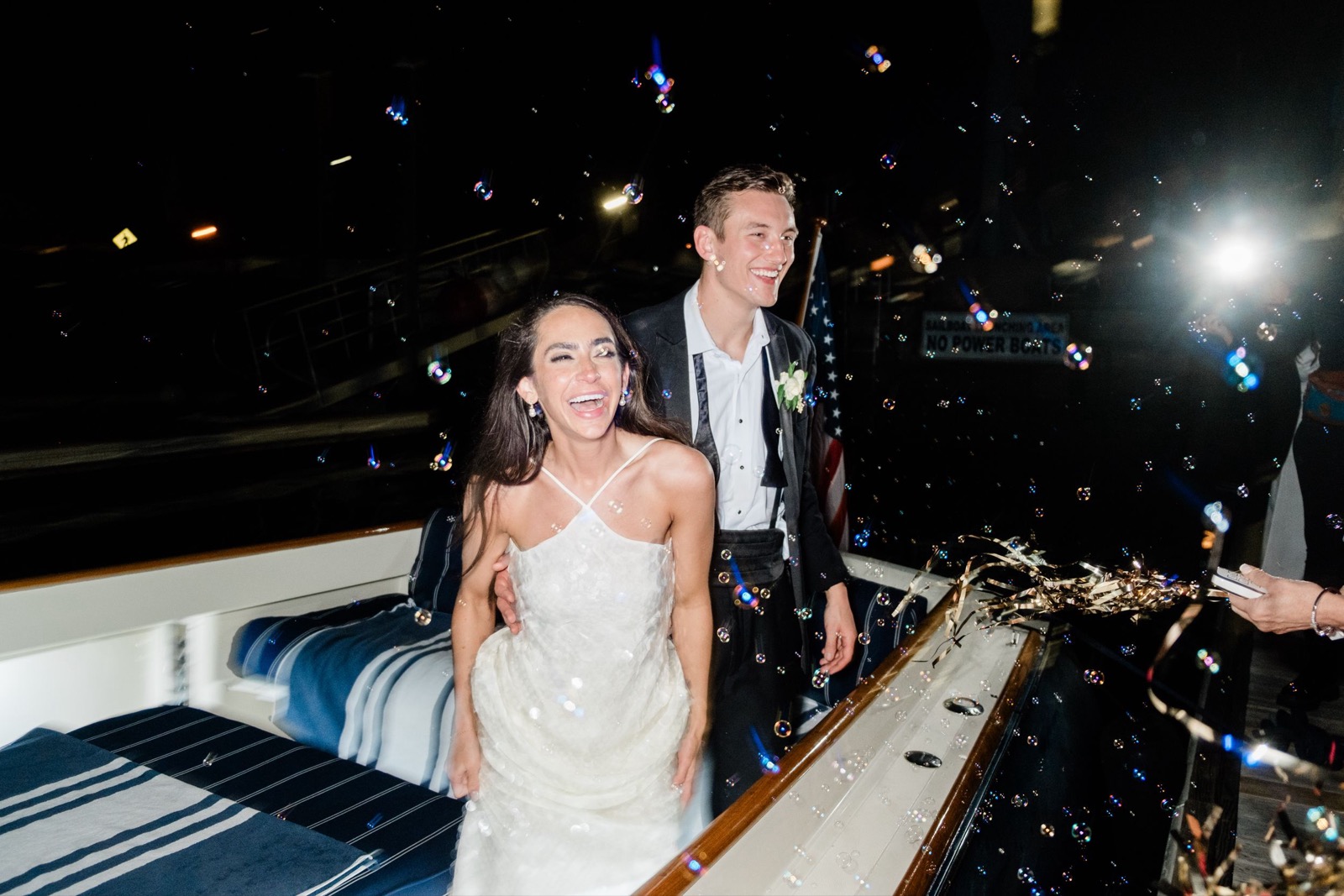
Flash gives you another way to shape the light in a photograph. You can use it when the room is dark, add light to someone’s face or make a deliberate, direct look.
Start with the direction of the light
A flash aimed straight at your subject gives a different look from light bounced off a nearby wall or ceiling. A suitable white surface can spread the bounced light and soften shadows. A colored surface can affect the color on your subject.
Change one thing at a time
Make a test photograph, then compare the face and background. Adjust the flash output or flash exposure compensation, depending on your mode. Move the flash or change the bounce direction and compare again.
Know your camera and flash
Read the manuals for your combination before choosing shutter speeds or advanced sync modes. Compatibility and available settings vary. Avoid treating a single shutter speed or power setting as a recipe for every room.
See Nikon’s flash basics and its bounce flash explanation for examples.
Keep the photographs personal
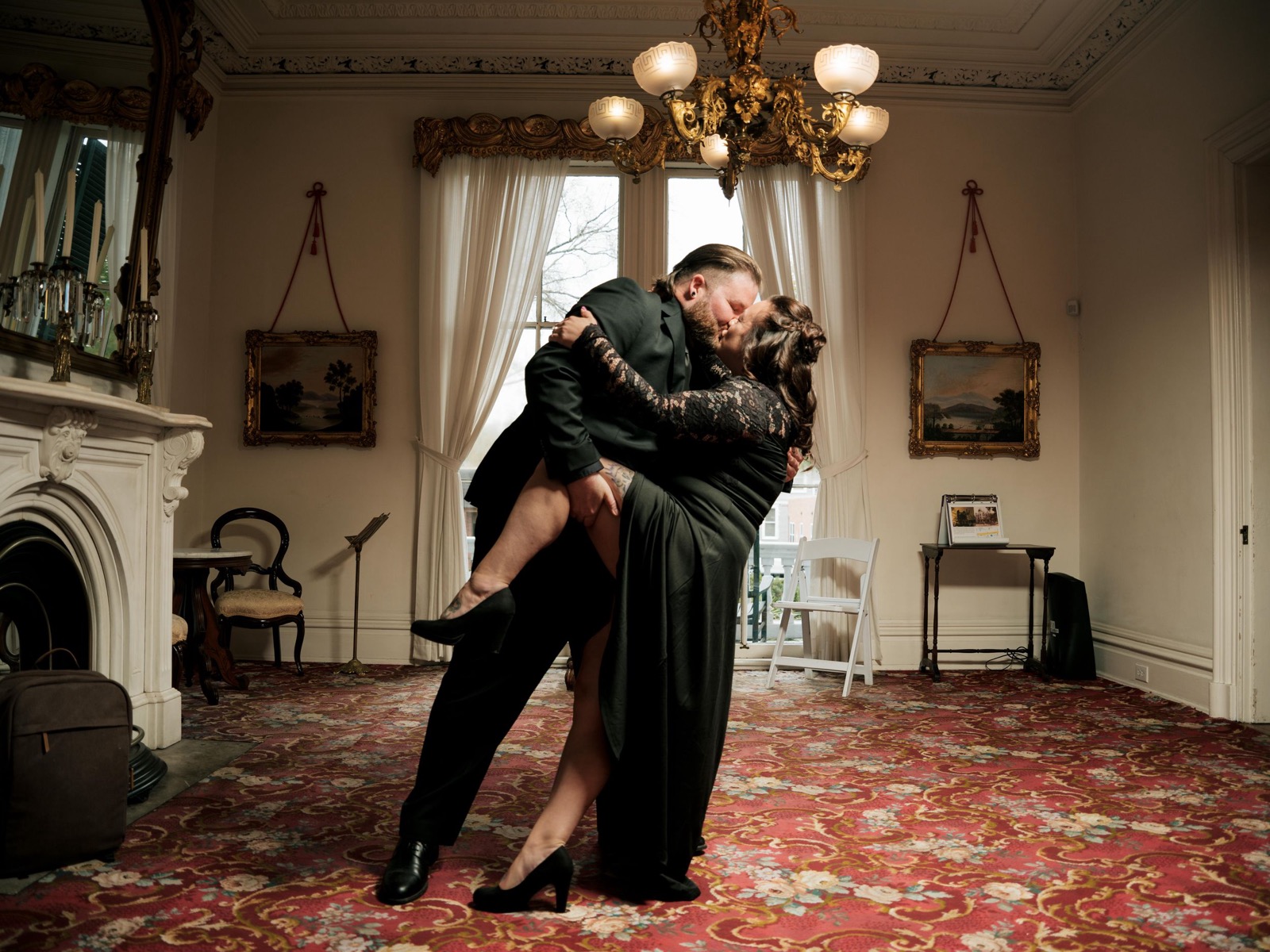
The equipment is one part of the photograph. Keep paying attention to the people, expressions and small moments happening in front of you.

Let’s talk about your plans.
Choose a time and share your details through Calendly.
Schedule a call with Glenn